















Season 18 - Talking Heads: Bed Among the Lentils (1988-1989)
 In the waning days of Netflix DVD I attempted to view as many Masterpiece Theatre shows on DVD that I could that had gone out of print. I even was able to game the system and got to keep the entirety of The First Churchills. Would that I could go back in time and pick anything else to keep other than The First Churchills. I didn't know a miniseries about Winston Chruchill's ancestors could be so boring. I actually have a theory that England was still so shaken by his death only five years earlier that they were desperate to cling to anything about this great man and therefore everyone claims this series is a masterpiece when it so obviously is not. The dog was good. I liked the dog. One of the DVD sets I rented was Maggie Smith at the BBC. Because I had found out that her Talking Heads monologue, Bed Among the Lentils, was an extra on the DVD that also had The Millionairess. The Millionairess ironically costars James Villiers who played Charles II in The First Churchills, and is mostly noted for how racist Tom Baker's role as an Egyptian doctor is. Back to Bed Among the Lentils. So the Talking Heads series by Alan Bennett are monologues given directly to the camera, like how a newsreader is a "talking head." They aren't very long and require a really great actor to pull them off convincingly. Obviously Maggie Smith, who often collaborated with Alan Bennett, fits the bill perfectly. She goes through a kind of existential crisis in only fifty minutes. She's a vicar's wife who is a drunk but because of her standing in the community has to go to Leeds to buy her booze and soon takes up with the local grocer. She is not likable, she is not sympathetic, and in the end she appears to be born again. There are three sections stitched together and really, the middle section is where she shines, because she describes, in detail, showing up drunk to do the flowers at the church and the destruction of the teazles. And as anyone who has watched any British show centered around a church knows, the teazles are sacred. It's a bright spot in a rather depressing and at time unrelenting narrative. If I had been watching anyone other than Maggie Smith I wouldn't have made it through. It's comes across as just sad and stupid. But I don't know if it's because of this specific tale or because of the conceit in general. People have very short attention spans. I remember at a reading Patrick Rothfuss gave once he said he always made sure any reading he did never went beyond fifteen minutes, because that's the average human attention span to listening to someone read. Now, obviously this is different, this is theater. Well, theater on your television, but still theater. Except that there's something about someone doing a monologue or a soliloquy in an actual theater that captivates you. Maybe it's the immediacy. The intimacy. There's a connection that is forged between the actor and the audience that is just impossible to replicate through television. Maggie was a talented actor, but did that make this little monologue palatable? No. But I fear I'm just not the audience for it because I have friends who watch it yearly and all I can think is, better you than me.
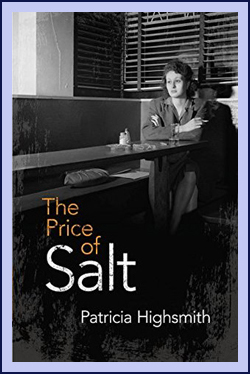 The Price of Salt by Patricia Highsmith


